This week's topic of nanotechnology and its relation to art was very intriguing because I had never before considered any sort of association between the two. However, this week's resources brought new light to the subject.
One of the lecture videos with Dr. Gimzewski analyzed an ancient example of the use of nanotechnology. The ancient Romans used nanonized gold in what was called the Lycurgus Cup. In the daylight, the cup appeared to be green. However, when light was shone from the inside of the cup, it looked red. The Lycurgus Cup is one of the oldest examples of people utilizing nanotechnology for artistic purposes. The fact that as long as sixteen thousand years ago people were using nanotechnology is baffling. Nanotechnology being used for art that long ago is very interesting and also highlights the importance of art and aesthetic during these times. Another example includes many stained glass pieces that take on their look because of nanotechnology.
 |
| Lycurgus Cup |
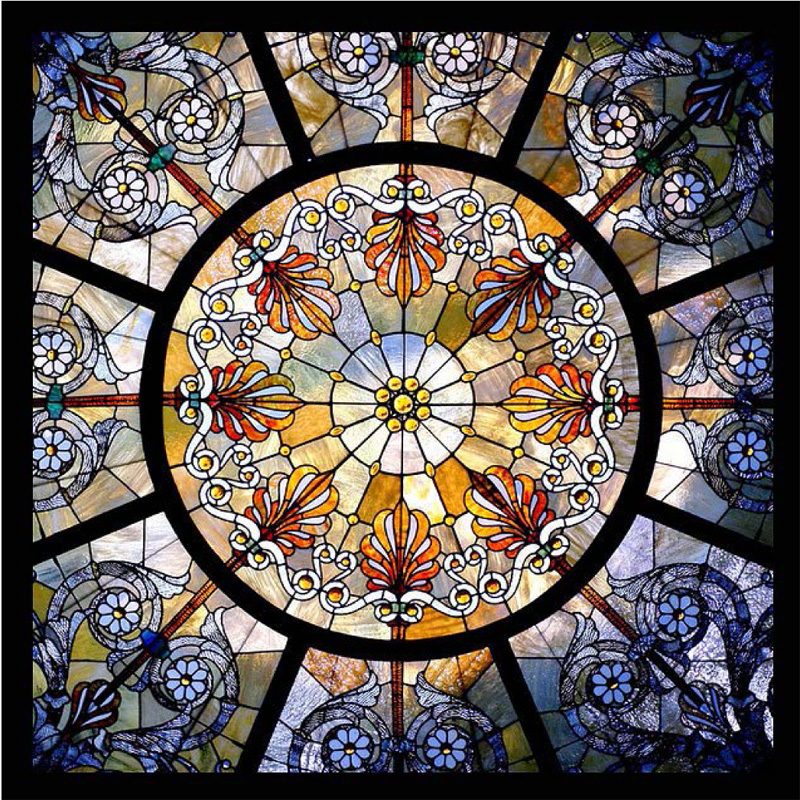 |
| Stained Glass |
 |
| Nano-Scape |
Uconlineprogram. "Nanotech Jim Pt3." YouTube. YouTube, 21 May 2012. Web. 22 May 2017.
"Art in the Age of Nanotechnology." Art.Base. N.p., n.d. Web. 22 May 2017.
Christa Sommerer and Laurent Mignonneau Artworks. N.p., n.d. Web. 22 May 2017.
"Realtime 96." RealTime Arts - Magazine - Issue 96 - Envisaging the Unseeable. N.p., n.d. Web. 22 May 2017.
"Lycurgus Cup: A Piece of Ancient Roman Nanotechnology." Amusing Planet. N.p., n.d. Web. 22 May 2017.
"Stained Glass Inc." Stained Glass Inc. N.p., n.d. Web. 22 May 2017.


I really enjoyed your discussion of the Lycurgus cup. This example really portrays how everpresent nanotechnology is. Even the ancient Romans used it! Though they may not have realized the significance of what they were doing, they used the chemical properties of gold for artistic purposes. This also demonstrates how we use nanotechnology every day without realizing it, and that its implications in the art world are manifold.
ReplyDelete